
The evolution of casinos tracing their roots through history
The Ancient Origins of Gambling
The concept of gambling dates back thousands of years, with evidence found in ancient civilizations such as the Chinese, Egyptians, and Romans. In China, the earliest known gambling game, involving rudimentary dice, can be traced to around 2300 BC. This early form of gaming was primarily a social activity, often accompanying festivities and rituals. The Romans also embraced gambling, with betting on chariot races and gladiatorial contests becoming popular among citizens, highlighting gambling’s deep societal roots. For those interested in modern online gambling, you can find more information at https://goldenstarcasino-au.com.
The Egyptians engaged in gambling through board games and dice, with artifacts revealing their fascination with chance. These activities were not just seen as mere entertainment but also as a way to seek favor from the gods. Over time, as societies developed, the desire to gamble evolved from simple games into organized events, leading to the establishment of dedicated spaces for wagering, foreshadowing the birth of modern casinos.
The historical significance of these early gambling practices cannot be overstated. They set the stage for the evolution of gaming into a formalized industry, paving the way for the construction of the first physical gambling houses in the late Middle Ages. These establishments would serve as pivotal social hubs where people gathered, gambled, and engaged in various forms of entertainment, highlighting the intrinsic link between socialization and gaming.
The Birth of Modern Casinos
The first official casino, the Casino di Venezia, opened its doors in Italy in 1638. This establishment marked a significant turning point in the evolution of gambling. Unlike earlier informal settings, the Casino di Venezia provided a controlled environment specifically dedicated to gaming, offering a range of games including card games and roulette. This innovation laid the groundwork for future casinos, creating a template that would influence establishments worldwide.
In the 19th century, the popularity of casinos surged across Europe, particularly in places like Monaco and Baden-Baden, Germany. These casinos were characterized by opulence and grandeur, attracting the elite and becoming synonymous with high society. They offered not only gambling but also fine dining, entertainment, and luxurious accommodations, transforming casinos into entertainment complexes that catered to a wealthy clientele.
As the 20th century approached, the American gambling landscape began to evolve as well. The establishment of Las Vegas as a gambling hotspot in the 1940s transformed the industry once again. The combination of legalized gambling, lavish resorts, and extravagant shows created a unique gaming experience that drew millions of visitors, setting the stage for the modern casino era. This shift not only popularized gambling in the United States but also influenced gaming cultures worldwide, leading to the development of similar entertainment hubs in various countries.
The Technological Revolution in Gambling
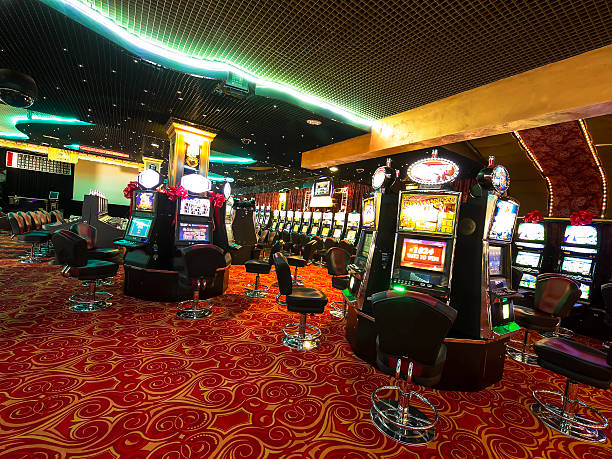
The late 20th century witnessed a technological revolution that transformed casinos forever. The introduction of electronic gaming machines in the 1960s and 70s marked a departure from traditional table games. Slot machines became a staple in casinos, offering players a quick and accessible way to gamble. This innovation not only increased revenue for casinos but also attracted a new demographic of players, including those who may not have previously engaged with table games.
The advent of the internet in the 1990s further revolutionized the gambling landscape. Online casinos emerged, allowing players to enjoy their favorite games from the comfort of their homes. This shift not only broadened the reach of the gambling industry but also created a new level of competition among casinos. Online platforms began offering enticing bonuses and promotions to attract players, leading to an explosion of online gaming sites and apps.
Mobile technology has taken this evolution a step further, enabling players to gamble anywhere and anytime. The rise of smartphones has allowed for the development of dedicated casino apps and mobile-friendly websites. This accessibility has fundamentally changed the way people interact with gambling, making it a more integrated part of daily life. As casinos continue to adapt to technological advancements, they remain at the forefront of providing innovative and engaging gaming experiences.
The Globalization of Gambling Culture
As casinos evolved, the culture of gambling began to globalize, influenced by various cultural perspectives and legal frameworks. Countries around the world began to recognize the potential economic benefits of legalized gambling. Nations like Singapore and Macau capitalized on this trend, investing in large-scale casino resorts that draw tourists from all corners of the globe. These developments have turned gambling into a significant contributor to local economies, generating employment and tourism revenue.
The globalization of gambling culture has also been marked by the emergence of various game types that incorporate local traditions and preferences. For instance, Asian countries introduced unique games like Sic Bo and Pai Gow, which have gained popularity in Western casinos. Similarly, the integration of live dealer games in online platforms has allowed players to enjoy a more authentic gaming experience, bridging the gap between physical and digital gaming.
However, this globalization has not come without challenges. Concerns about responsible gambling and the potential for addiction have sparked debates about regulation and consumer protection. As casinos expand their reach, the importance of implementing responsible gaming practices becomes paramount. Ensuring that players engage in gambling safely and responsibly is essential for the sustainable growth of the industry.

Embracing the Future: Online Gaming and the Evolution of Casinos
Today, the casino industry is at a critical juncture, navigating the balance between traditional gaming and modern innovations. The rise of online casinos has made gambling more accessible than ever, with platforms providing a vast array of games, including live dealer experiences that replicate the excitement of physical casinos. With thousands of options available, players can explore diverse gaming styles and find what suits them best.
As online casinos continue to grow, operators are increasingly focused on creating user-friendly interfaces and enhancing player experiences. The integration of advanced technology, such as virtual reality and augmented reality, is on the horizon, promising to revolutionize how players interact with games. This evolution reflects the industry’s commitment to staying relevant and meeting the evolving expectations of players.
For those exploring the world of online gaming, platforms like Golden Star Casino offer an extensive range of games and a commitment to responsible gaming practices. As the industry continues to evolve, players can expect innovative features, engaging content, and an unparalleled gaming experience, solidifying casinos’ place in both historical and modern contexts.